Book
Woman wearing a hearing aid smiling warmly at a young girl using headphones.

Resources for hearing aid users

On this page you can learn how to:

  1. Decide when it's a good time to get new hearing aids
  2. Understand new hearing aid technologies and features
  3. Maintain your hearing aids
  4. Get complimentary batteries and domes for your hearing aids
  5. Benefit from hearing aid accessories
  6. Troubleshoot common hearing aid issues

You are always welcome to get in touch if you have any questions or need our help.

4 ways to reach our customer service

Illustration of Phone
Call us
Mon-Fri: 7:30am-10:00pm EST Sat-Sun: 8:30am-5:00pm EST (please note that office hours vary by location)
1-844-836-5003
Image show chat icon
Chat online
Our online chat is open weekdays from 9:00am-5:00pm
Illustration of letter
By e-mail
Our customer service will get back to you within 24 hours
contact-us@hearinglife.com
Illustration of IPhone
Request a call back
We will call you back within 48 hours
Request call back

1. New hearing aids

We usually recommend investing in new hearing aids every 3-5 years - or if you recognize any of the following situations:

  1. You want to experience the highest sound quality available
  2. You have noticed changes in your hearing ability
  3. Your hearing aids don’t seem to be working properly
  4. Your hearing needs have changed (due to either health or lifestyle changes)

You are welcome to contact us when you consider getting a new hearing aid. If you visit one of our centers, you can get a risk-free trial of a modern quality hearing aid.

New hearing aids Risk-free hearing aid trial
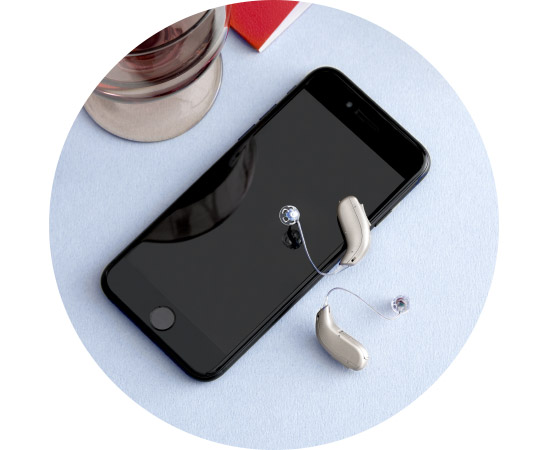
Smartphone placed on a light blue surface with two beige hearing aids positioned next to it; partial views of a glass and a red book are in the background.
Find a HearingLife in your area

2. New hearing aid technologies and features

Hearing aid technology has developed significantly over the past few years.

Not only do modern hearing aids help your brain to process sound in the most natural way possible, but new hearing aid accessories help to optimize your hearing experience even further. 
Brainhearing technology demonstrating auditory and cognitive processing regions of the brain
BrainHearing™ technology
Hearing aids with the groundbreaking BrainHearing™ technology from Oticon were designed to deliver more sound to the brain that's much clearer, all while improving speech understanding and reducing listening effort.

BrainHearing™ technology

AI-driven digital hearing aid processing multiple data streams for advanced auditory technology
Artificial Intelligence
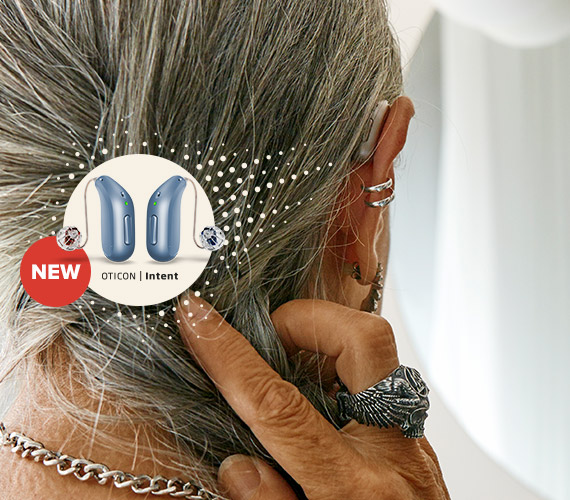
Our latest hearing aid, Oticon Real™, uses deep learning, which is the most powerful benefit of artificial intelligence. The device is trained to process 12 million real-life sounds, giving the brain more of the information it needs to decipher intricate sound details.
powerful hearing aid microchip with digital data streams conveying advanced technology
Powerful chipset
Thanks to Sirius, Oticon’s new, most intelligent platform yet, their newest hearing aid, Oticon Intent™ can adapt to movement and environment. has learned to recognize all types of sounds, their details, and how they should ideally sound – including speech.
Rechargeable hearing aids resting in a charging case with a power indicator and battery symbol displayed.
Rechargeable hearing aids
Some modern hearing aids are available with built-in rechargeable batteries. They can be charged overnight for a full day's worth of power. And you never have to buy hearing aid batteries again.

Rechargeable hearing aids

Bluetooth-enabled hearing aids placed near a smartphone displaying a Bluetooth icon.
Bluetooth® hearing aids
Hearing aids with Bluetooth®  connectivity can be connected to your mobile phones or tablets so that phone conversations, music, podcasts (and more!) can be heard directly through your hearing aids.

Bluetooth® hearing aids

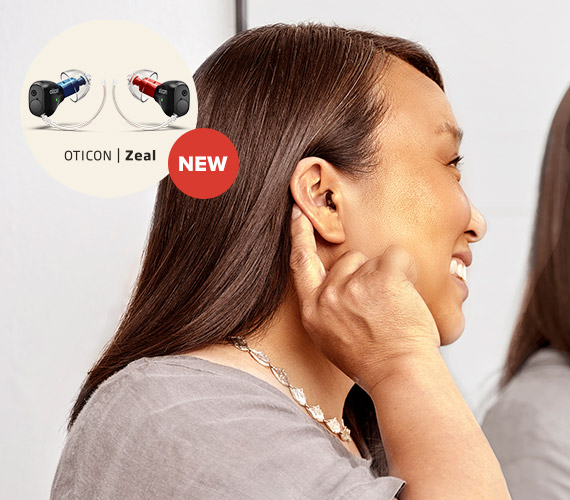
Hearing aid being placed in the ear canal of a person with light brown hair.
Discreet hearing aid styles
Some hearing aids are available in a discreet, in-the-ear style, which makes these devices almost invisible. A consultation with a hearing care expert can determine if this type of hearing aid could suit your needs.

Discreet hearing aids

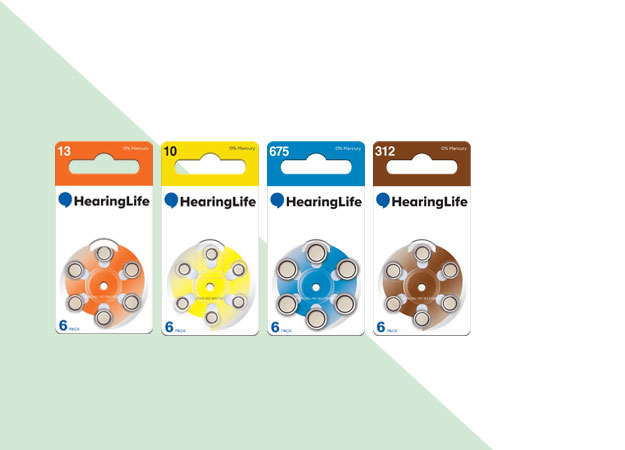
Four packs of HearingLife hearing aid batteries, labeled with color codes (13, 10, 675, 312), are displayed side by side, each containing six batteries per pack.

4. Hearing aid batteries

Hearing aid batteries are a crucial part of the hearing device. A new hearing aid battery will last between three and ten days before you need to replace it. The lifetime of the battery depends on multiple factors, including the hearing aid type, battery type and capacity, and how much you use it.

See our batteries

5. Hearing aid accessories

Explore an assortment of high-tech hearing aid accessories, and learn how they can improve your hearing experience and enhance your hearing aid's performance.
Accessories for connectivity

ConnectClip wireless audio streaming device featuring a sleek black design, side buttons, and modern functionality.
ConnectClip
With the ConnectClip, you can turn your hearing aids into a wireless headset and use the ConnectClip as your remote microphone or remote control.
Remote control for Oticon hearing aids featuring volume adjustment buttons and a modern black finish.
Remote Control
The Remote Control accessory allows you to adjust your hearing aid's volume setting, switch between programs, and mute / unmute your device.
TV adapter for hearing aids with modern black and silver finish.
TV adapter
The TV adapter allows you to stream sounds directly from your TV to your hearing aids. This allows you to personalize the volume level to your needs (without affecting the volume for those watching with you). Learn more about TV listening strategies here.
Phone adapter designed for seamless connection between hearing aids and landline telephones.
Phone adapter
The Phone Adapter connects your landline phone wirelessly to both your hearing aids and the ConnectClip. During a call, your hearing aids become the headset, and the ConnectClip serves as a microphone.
EduMic wireless microphone device for enhanced audio transmission, featuring a modern white and gray design.
EduMic
EduMic is a wireless remote microphone accessory that is often used in a classroom setting. The EduMic is worn by the teacher, and it sends sound directly into the students' hearing aids and balances out unwanted background noise.
SafeLine hearing aid retention clip with black cord, magnetic breakaway clasp, and durable design for secure usage.
SafeLine
SafeLine is a retention cord for customers who enjoy an active lifestyle. The cord attaches to both your hearing aids and your shirt collar so that you can be sure your devices won't be lost or damaged if they fall off.
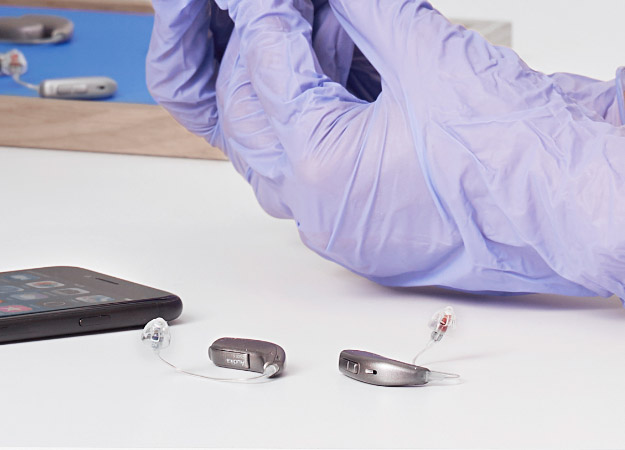
Hearing aids on a table near a smartphone, with purple gloved hands adjusting another hearing aid in the background.

6. Troubleshoot common hearing aid issues

When you have problems with your hearing aids, it can be difficult to know if your device needs an adjustment or a repair.

Using the link below, read about how to troubleshoot the most common issues with hearing aids. For assistance, you can call us at 1-844-836-5003.

Hearing aid adjustment and repair