





High-frequency hearing loss

What is high-frequency hearing loss?
People who suffer from high-frequency hearing loss have difficulty hearing high-pitched sounds. A notable consequence of this is that consonants become difficult to hear, meaning that others may sound like they are mumbling.
High-frequency hearing loss is often caused by age-related hearing loss and noise-induced hearing loss.

Book a complimentary assessment for high-frequency hearing loss


What causes high-frequency hearing loss?
High-frequency hearing loss can be caused by a wide range of health and lifestyle factors. Causes of high-frequency hearing loss include:
- Aging
- Genetics
- Exposure to certain drugs
- Syndromes
- Diseases
- Noise exposure
Preventing high-frequency hearing loss
While there are many health and lifestyle factors that can contribute to your risk for developing high-frequency hearing loss, there are steps that you can take to prevent it.
Using ear plugs (or other hearing protection) in excessively loud environments is a great way to protect your ears from damaging sound levels.
Signs and symptoms of high-frequency hearing loss
Struggling to follow conversations and understand what others say are two common signs of high-frequency hearing loss. Other signs include:



Treatment for high-frequency hearing loss
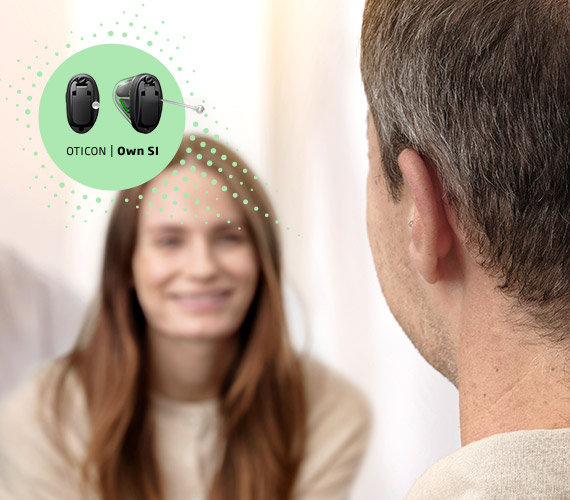
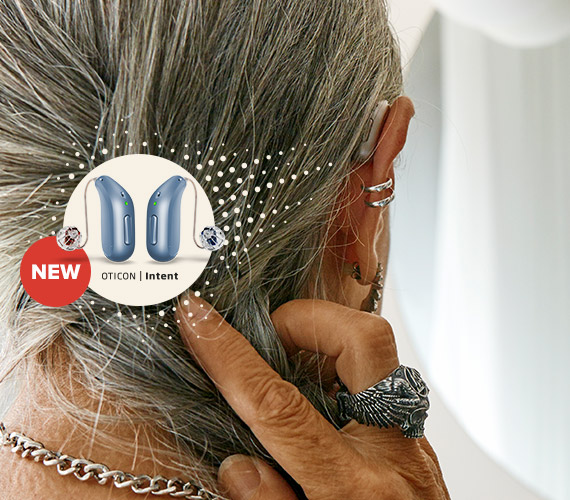
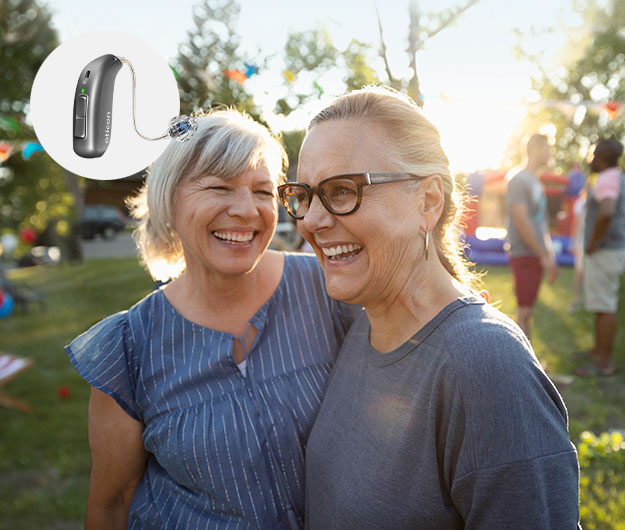
Our hearing care experts often recommend hearing aids as an effective treatment method for high-frequency hearing loss. More specifically, the hearing aids can be programmed to focus on amplifying higher frequency sounds, thereby allowing the hearing aid user to hear these sounds again.
Our hearing care experts will be able to provide the best guidance on which type of hearing aid is best for your individual needs.
Book appointment Hearing loss treatment
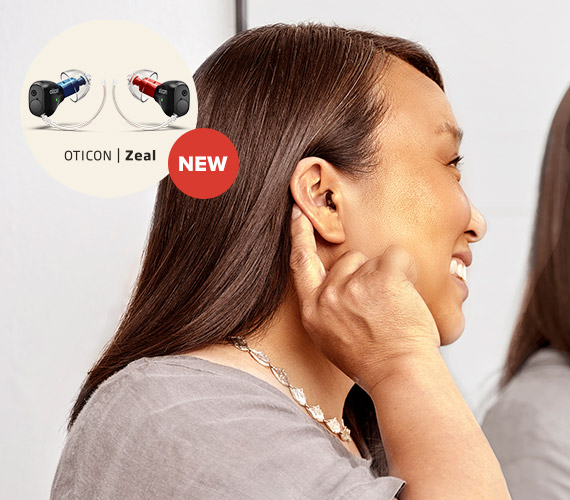
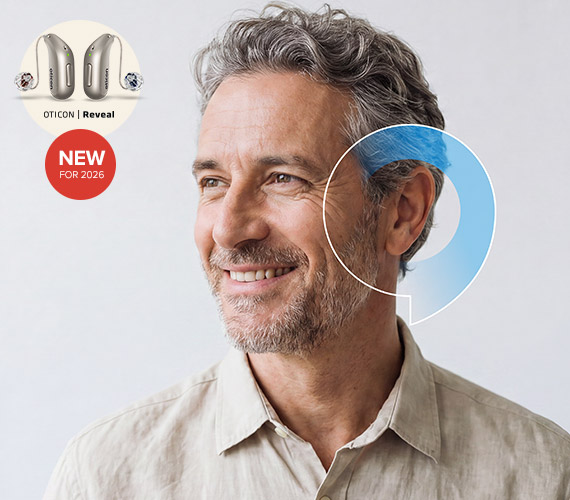
Modern hearing aids for those with hearing loss


About Ryan Potter, Au.D.
Ryan Potter, Au.D., has been a hearing care provider for over 18 years. He is Vice President of Audiology for HearingLife, leading the continuous growth and education of our hearing health care providers. He also leads the training of new generations of hearing health care providers through our Apprentice and Extern Programs. Click here to read his complete bio and learn more about his education and background.
Last reviewed 2025-07-01